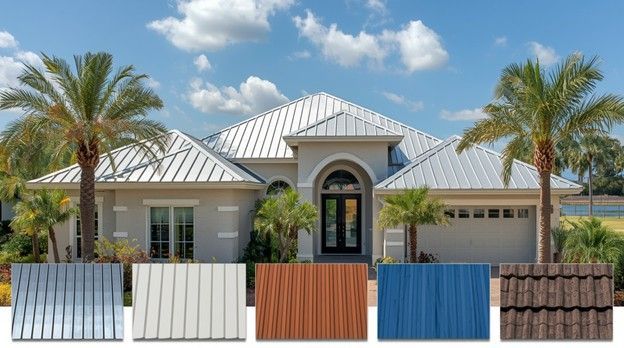
When people think about buying metal roofing or steel building materials, big-box suppliers often come to mind first. They are familiar, widely available, and heavily advertised. But for many builders, contractors, and property owners, those large retailers come with tradeoffs that can affect quality, timelines, and long-term results.
That is where
Mission Metals stands out. Rather than trying to be everything to everyone, Mission Metals focuses on doing one thing well: manufacturing reliable, purpose-built metal products designed for real-world conditions and real project needs.
This article takes a closer look at what truly separates Mission Metals from big-box metal suppliers, and why that difference matters for anyone planning a metal roofing or building project.
Understanding the Big-Box Supplier Model
Big-box suppliers are designed around scale and convenience. Their strength is volume. They serve a wide audience, stock standardized products, and aim to keep prices competitive through mass purchasing.
That approach works for simple, off-the-shelf needs, but it can create challenges for metal construction projects that require precision, durability, or customization.
Common limitations of big-box metal suppliers include:
- Limited product customization options
- Inconsistent inventory availability
- Minimal technical guidance from staff
- Products designed to fit many uses, not specific applications
- Longer lead times when special orders are required
For projects where accuracy and material performance matter, these limitations can quickly become costly.
A Manufacturing-First Approach
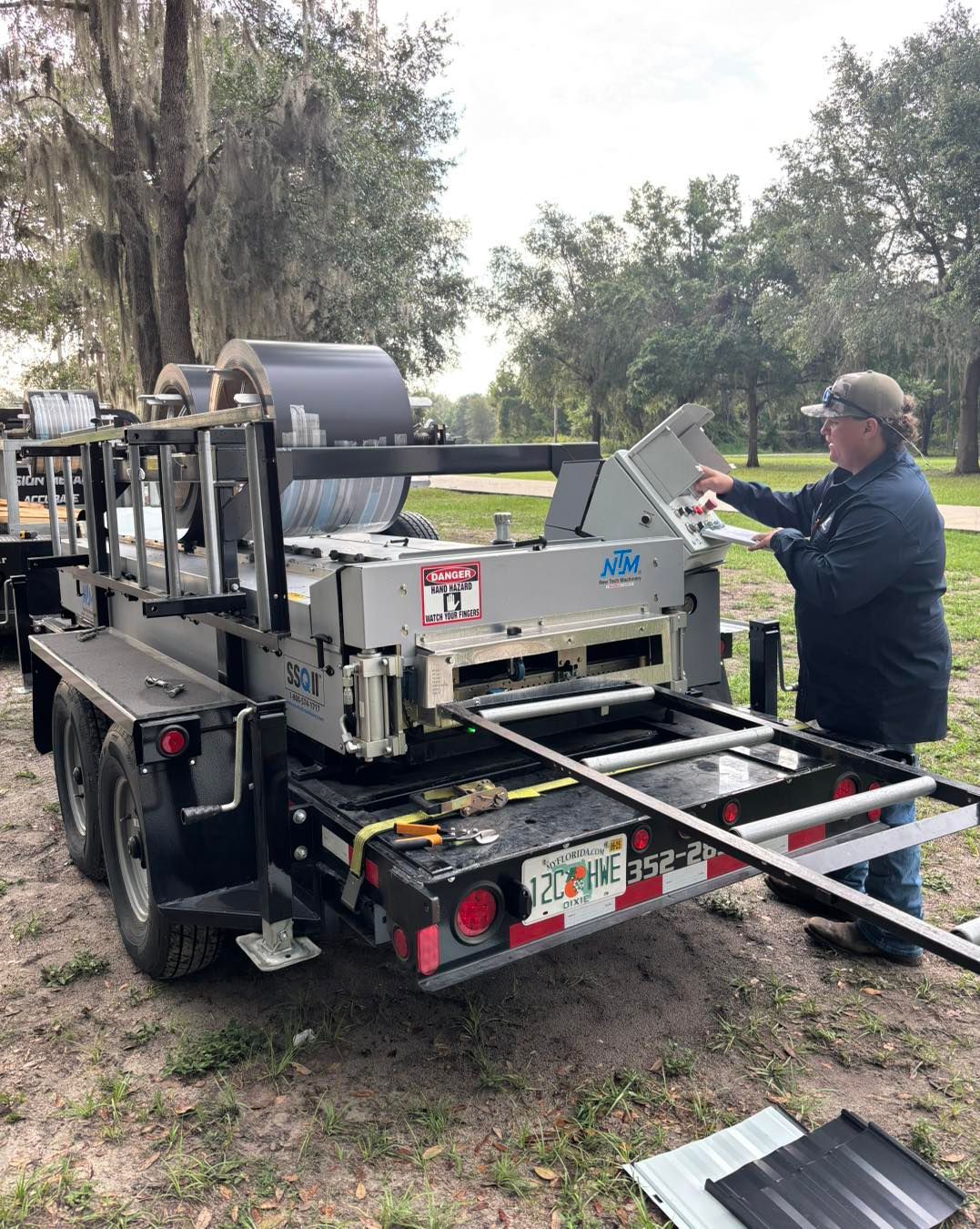
Mission Metals operates with a manufacturing-first mindset. Instead of relying on third-party sourcing, materials are produced with direct oversight and strict quality standards. This allows for tighter control over every step of the process, from raw steel selection to final fabrication.
Because Mission Metals functions as a dedicated
metals manufacturing company, customers benefit from consistency, reliability, and products that are designed to meet regional and structural demands.
This approach supports:
- Uniform material thickness and coatings
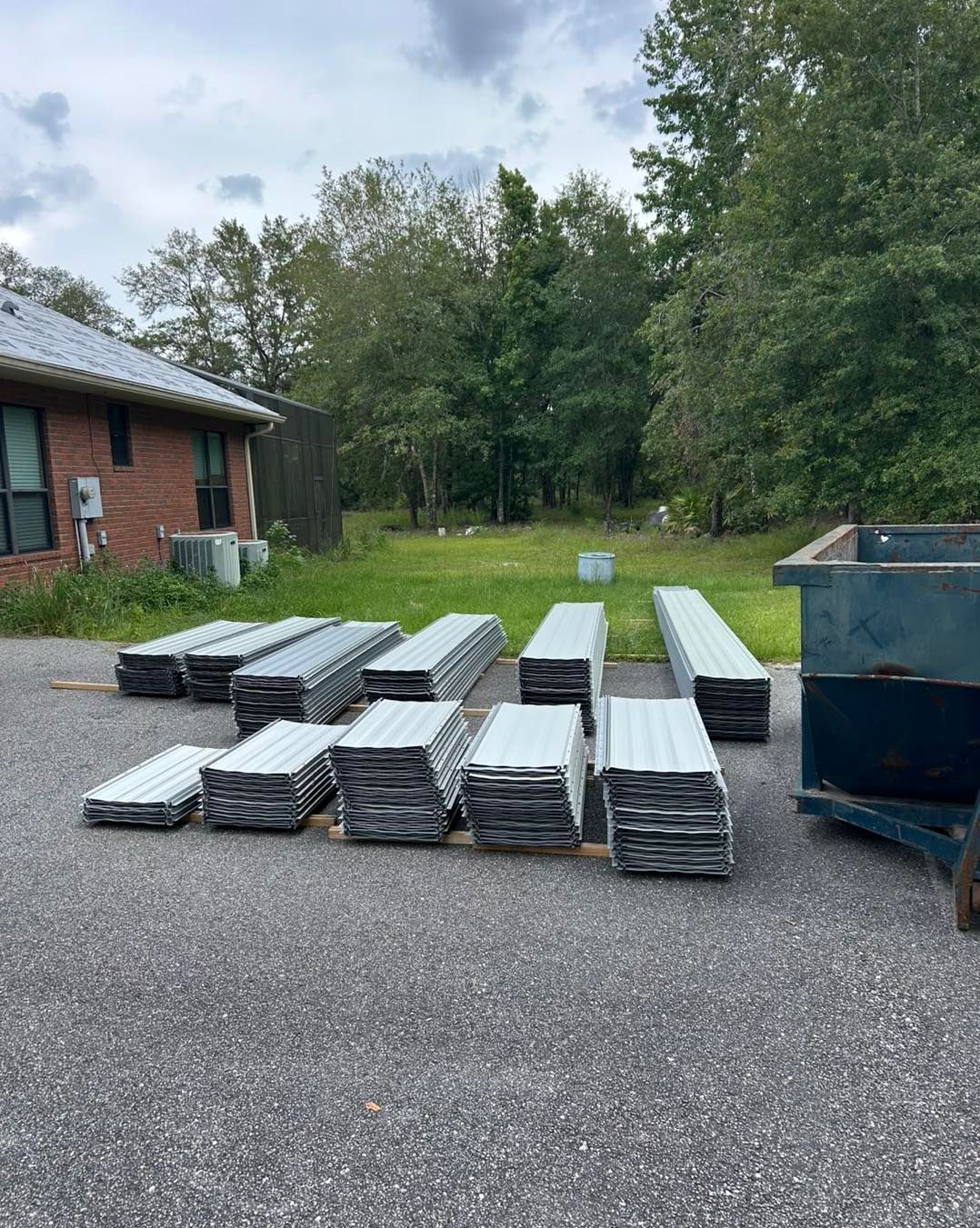
- Precise panel dimensions
- Reliable performance across large orders
- Faster response to project-specific requirements
When materials are manufactured with intent, the difference shows during installation and long after the project is complete.
Built for Florida Conditions
Florida presents unique challenges for metal construction. High humidity, salt exposure, intense sun, and hurricane-force winds all place stress on roofing and structural materials.
Mission Metals designs its products with these conditions in mind. This local focus helps distinguish them from national suppliers that distribute the same materials across vastly different climates.
As one of the experienced
steel building manufacturers in Florida, Mission Metals understands how coatings, fasteners, and panel profiles perform in demanding environments. That knowledge is reflected in product durability and long-term resistance to corrosion and weather-related wear.
For customers planning a
metal building in Florida, this regional expertise can significantly reduce maintenance concerns over time.
Customization That Supports Real Projects
One of the biggest frustrations builders face with big-box suppliers is limited flexibility. Standard sizes and profiles may not align with existing structures, local codes, or design preferences.
Mission Metals offers customization options that support real-world construction needs, including:
- Custom panel lengths to reduce waste
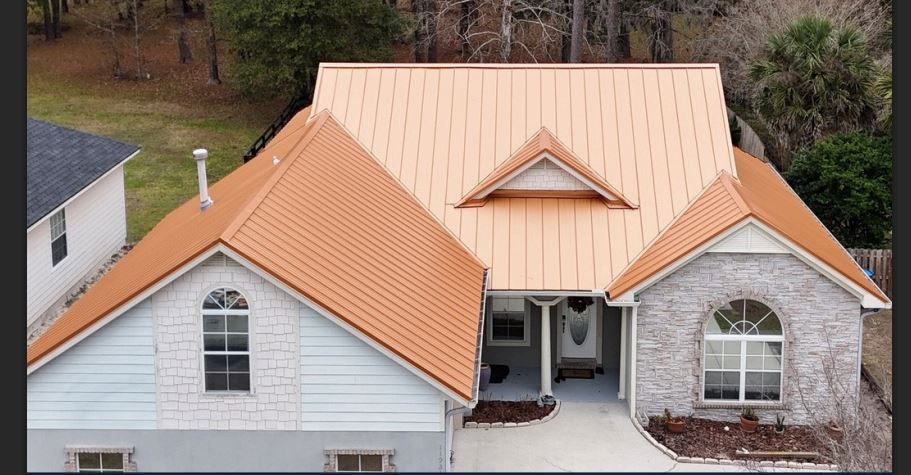
- Multiple profile options for roofing and siding
- Color selections designed for longevity and appearance
- Trim and accessory compatibility
These options help contractors work more efficiently while delivering cleaner, more professional results.
Customization is especially valuable for projects like agricultural structures and storage facilities, where
pole barns in Florida must account for both function and environmental exposure.
Consistent Quality Across Every Order
Quality control is often one of the most overlooked differences between manufacturers and large retailers. Big-box suppliers typically rely on multiple sources, which can lead to variations in material quality from one order to the next.
Mission Metals maintains consistent standards across all production runs. This consistency supports better outcomes for:
- Structural integrity
- Installation efficiency
- Visual uniformity
- Long-term durability
Reliable materials reduce the likelihood of rework, delays, or unexpected issues during construction.
Clear Communication and Industry Knowledge
Big-box staff are trained to assist a wide range of customers, from DIY shoppers to commercial buyers. While helpful, they may not always have deep knowledge of metal construction requirements.
Mission Metals works directly with contractors, builders, and property owners who need accurate information and practical guidance. Conversations are focused on materials, performance, and application, not just product placement.
This level of understanding is particularly helpful when selecting materials like
pbr roofs, where load ratings, fastening patterns, and panel compatibility matter.
Clear communication helps ensure the right materials are chosen the first time.
Faster Turnarounds Without Guesswork
Project timelines are often tight, and delays can affect budgets and schedules. Big-box suppliers may require extended lead times for non-stock items or large orders.
Because Mission Metals controls its manufacturing process, lead times are more predictable. Orders are produced with the project schedule in mind, not shipped from distant distribution centers with limited flexibility.
This reliability helps contractors plan labor, coordinate deliveries, and keep projects moving forward without unnecessary interruptions.
Supporting Builders Beyond the Sale
Another key difference lies in how support continues after materials are delivered. Big-box suppliers often consider the transaction complete once the product leaves the store or warehouse.
Mission Metals views support as an ongoing part of the relationship. Whether it is clarifying specifications, addressing installation questions, or planning future phases, customers have access to a team that understands the materials inside and out.
This approach builds trust and long-term partnerships rather than one-time purchases.
Value That Goes Beyond Price Tags
It is easy to compare prices when shopping for metal materials, but true value includes more than upfront cost. Quality, fit, performance, and reliability all affect the total cost of ownership.
Mission Metals delivers value by helping customers avoid:
- Excess material waste
- Installation delays
- Premature corrosion or wear
- Replacement costs due to poor fit or performance
When materials are designed for the job, projects tend to stay on track and perform as expected over time.
A Better Fit for Serious Metal Projects
Big-box metal suppliers play a role in the market, especially for general or short-term needs. But for builders and property owners seeking dependable materials built for demanding conditions, a specialized manufacturer offers clear advantages.
Mission Metals combines manufacturing expertise, regional knowledge, and customer-focused service to support projects of all sizes. From agricultural buildings to commercial structures, their approach is centered on performance, not shortcuts.
If you are planning a metal roofing or building project and want materials designed with purpose and precision, learn more about what Mission Metals offers by visiting https://www.missionmetalsmfg.com.